
Carbon credits
Every rooftop kWh keeps carbon out of the air.
Solar power displaces electricity that would otherwise be made from fossil fuels. That avoided CO₂ is measured, verified and turned into carbon credits — a tradable asset on top of the power itself.
- Carbon credits produced
- 0tCO₂
- Units produced
- 0kWh
- Projects
- 3
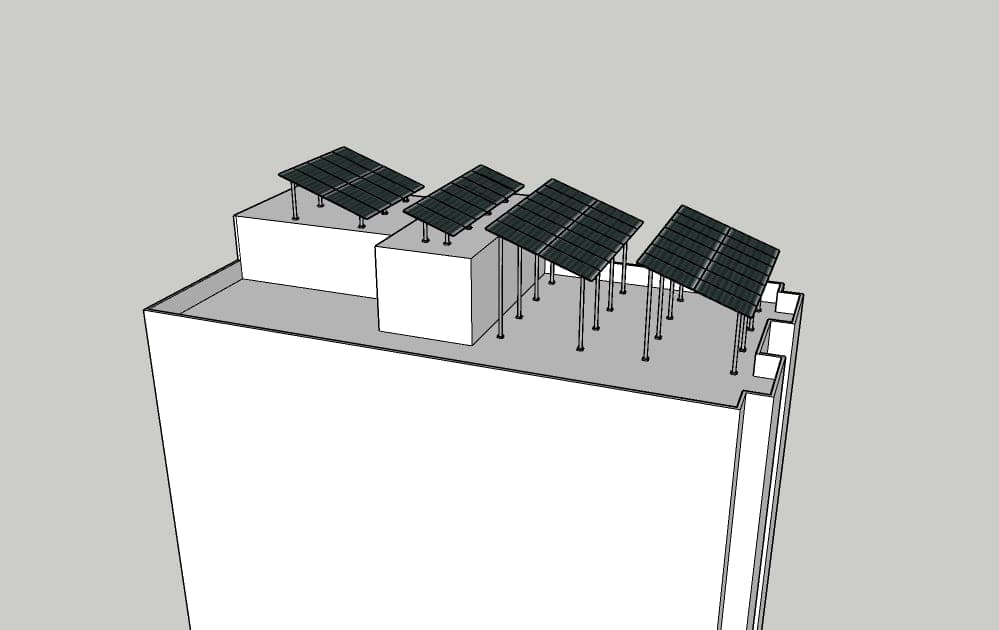
What is a carbon credit?
A carbon credit is a certificate representing one metric tonne of carbon dioxide — or its equivalent in other greenhouse gases — reduced, avoided or removed from the atmosphere.
It puts a price on pollution: projects that cut emissions earn credits, and companies that cannot yet cut their own buy them to balance their footprint.
How we count
5,171 kWh = 1 credit
Every kWh drawn from a fossil-fuelled grid releases CO₂ at the power plant. The grid's emission factor says how much. Divide one tonne by that factor and you get the solar generation needed to avoid one tonne — one credit.
0.193kg CO₂/kWh
Emission factor used
1,000kg
CO₂ in one credit
5,171kWh
Solar per credit
Formula
Credits = solar kWh ÷ 5,171
e.g. 51,710 kWh ÷ 5,171 = 10 credits
From rooftop to retired credit
Five steps turn clean generation into a credit someone can buy — and make sure it is only ever counted once.
- 01
Generate
Each kWh from a rooftop array replaces a kWh the grid would have made by burning gas, oil or coal.
- 02
Measure
Generation is metered continuously and logged on the eBiddut platform, project by project.
- 03
Verify
An independent standard such as Verra or the Gold Standard audits that the reduction is real and measurable.
- 04
Issue & sell
Each verified tonne is issued as one credit and sold to companies balancing their own emissions.
- 05
Retire
When a buyer claims the offset, the credit is retired for good, so it can never be counted twice.
What our designed rooftops can earn
About 66,036 kWh and 12.8 credits a year from the projects designed so far — roughly 301 credits over 25 years.
Credits per year, by project
Estimate: capacity × 4 kWh per kWp per day × 365, divided by 5,171 kWh per credit.
Cumulative credits over 25 years
Designed portfolio, with panel output falling 0.5% a year. Projection, not metered output.
Why it matters
- 01
A second income stream
Credit sales sit on top of the income from electricity, from the same panels on the same roof.
- 02
Impact you can audit
Every credit traces back to metered kWh, so the climate claim behind an investment is on the record.
- 03
Aligned with SDG 7 and 13
Affordable clean energy and climate action — the two UN goals rooftop solar serves directly.
Your Rooftop. Your Energy Asset.
Join the shift from energy consumers to energy producers.